Tourism and Experience Business in the UK for Expats: How to Thrive in the Booming Experience Economy in 2026

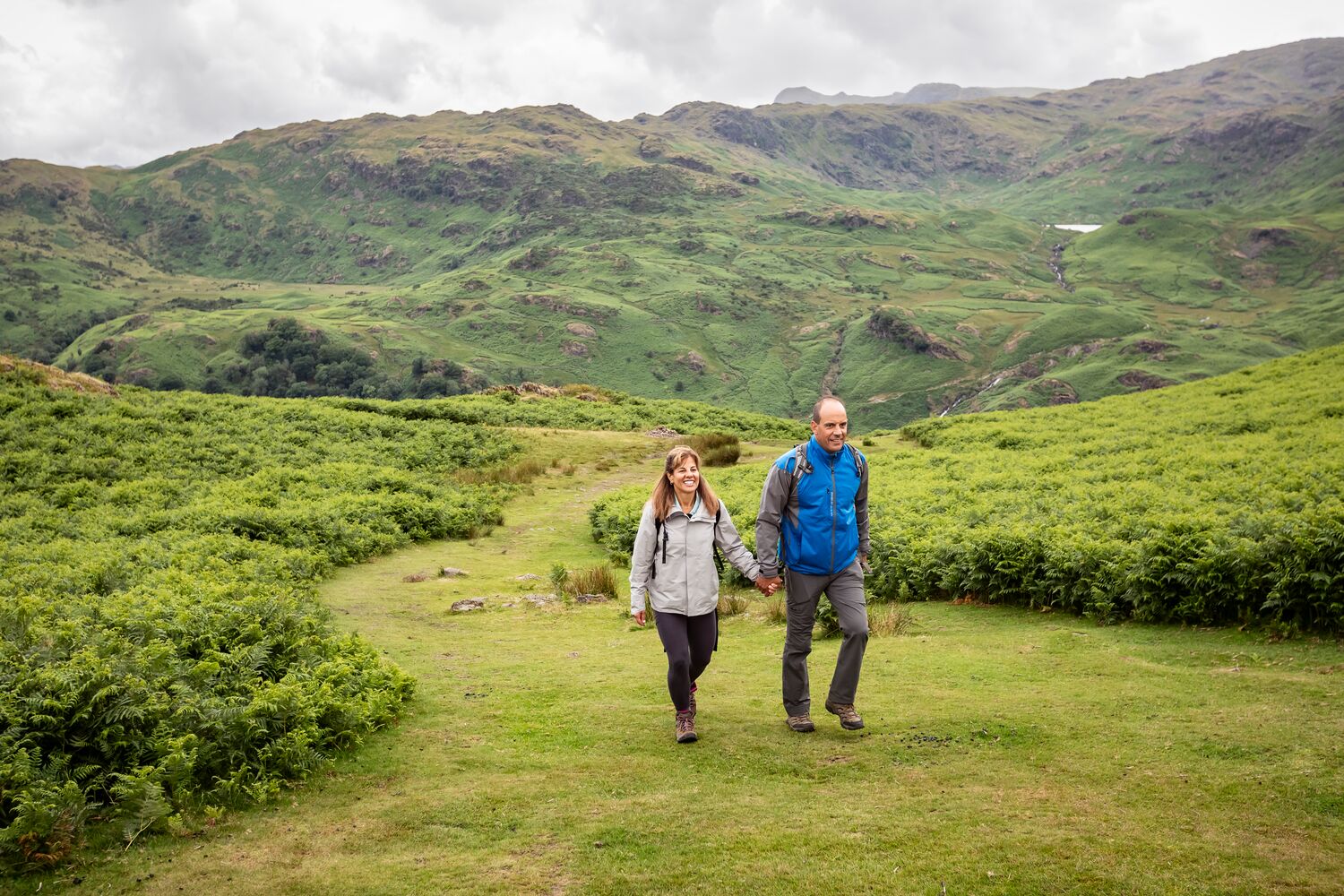
The United Kingdom’s tourism sector is surging forward in 2026, offering exceptional opportunities for expats ready to launch or scale a tourism and experience business in the UK. With inbound visits forecast to reach 45.5 million and visitor spending projected at £35.7 billion, the industry continues its strong post-pandemic recovery.
At the same time, travellers worldwide are shifting away from passive sightseeing toward immersive, meaningful experiences. This “experience economy” — where people pay for transformation, connection, and authenticity rather than just accommodation or transport — creates fertile ground for innovative entrepreneurs. Expats, with their multicultural backgrounds, language skills, global networks, and fresh perspectives on British culture, are uniquely positioned to succeed in this space.
Whether you are already living in the UK or planning your move, this comprehensive guide explores the opportunities, practical steps, marketing strategies, challenges, and future outlook for building a profitable tourism and experience business in the UK for expats.
The Booming UK Tourism and Experience Economy in 2026
Key Statistics Driving Opportunity
Tourism directly contributes around £58 billion to the UK economy and supports over 1.2 million jobs, with broader impacts reaching significantly higher when indirect effects are included. Inbound tourism is growing steadily, while domestic holidays remain resilient despite shifts in regional preferences. London has gained market share in domestic summer trips, and lesser-visited areas are attracting travellers seeking quieter, more authentic escapes.
These numbers translate into real demand for high-quality, bookable experiences — from half-day food tours to multi-day transformational retreats.
The Rise of Experiential and Transformational Travel
Globally and in the UK, travellers increasingly prioritise “experiences over things.” They seek workshops where they learn new skills, opportunities to connect with locals, sustainable practices, and moments of personal growth. Trends for 2026 include “quietcations” (digital-detox escapes), set-jetting (visiting film and TV locations), off-grid adventures in lesser-known regions, and regenerative tourism that leaves places better than found.
This evolution favours small, agile operators who can deliver personalised, story-rich experiences — exactly where expat entrepreneurs often excel.
Why Expats Are Perfectly Positioned for Tourism and Experience Businesses in the UK
Expats bring advantages that many native-born operators lack:
- Authentic storytelling and cultural bridges: Your background allows you to create experiences that feel genuine to international visitors while offering British locals fresh insights into their own heritage.
- Multilingual capabilities: Tours and workshops in Spanish, Mandarin, Arabic, Hindi, or other languages open doors to high-value markets.
- Global networks: Connections with diaspora communities, overseas travel agents, and international influencers help with marketing and partnerships.
- Understanding the expat visitor mindset: You know what long-term residents and short-term visitors from abroad truly want — from practical “settling-in” experiences to deep cultural immersion.
Many successful food tours, cultural walks, and wellness retreats in London, Manchester, Edinburgh, and Bristol are already led by expats who turned their personal stories into thriving businesses.
Top Tourism and Experience Business Ideas for Expats in the UK
Here are proven and emerging ideas particularly suited to expat founders:
- Cultural and culinary immersion tours — Leverage your heritage for authentic Indian street food tours in Leicester, Polish pierogi workshops in London, or Brazilian churrasco experiences in Bristol.
- Sustainable nature and adventure experiences — Guided mindful walks in the Lake District or Scottish Highlands, foraging workshops, or regenerative farming stays.
- Film and TV set-jetting tours — Specialised Harry Potter, Downton Abbey, or Outlander experiences with behind-the-scenes storytelling and local history.
- Wellness and transformation retreats — Yoga and mindfulness programmes in the Cotswolds or Peak District, combining British countryside with your unique wellness philosophy.
- Bespoke private experiences for high-net-worth visitors and expats — Personalised itineraries, private photography tours, or exclusive access events.
- Community-based and off-grid tourism — Slow-travel experiences in Northumberland, Wales, or rural Yorkshire that support local economies and appeal to the “quietcation” trend.
- Tech-enhanced or hybrid experiences — AR/VR heritage tours or app-guided self-paced experiences combined with live expat-hosted elements.
Focus on one or two niches first, then expand. Differentiation through storytelling and personalisation is your strongest competitive edge.
Step-by-Step Guide to Starting Your Tourism and Experience Business in the UK as an Expat
Understanding Visa and Immigration Requirements
If you already have the right to live and work in the UK (e.g., settled status, Skilled Worker visa, or spouse visa), you can generally register a business immediately. For those outside the UK or on visitor status, the Innovator Founder Visa is the main route for entrepreneurs with innovative business ideas. It requires endorsement from an approved body confirming your concept is new, viable, and scalable. Many experiential tourism ideas with a unique twist (sustainability focus, tech integration, or underserved communities) can qualify. Always seek professional immigration advice, as rules are individual and change.
Registering Your Business and Legal Compliance
Register as a sole trader or limited company via GOV.UK (Companies House). A UK-registered address is required. Most small experience businesses do not need ATOL protection unless selling flight-inclusive packages. However, you must comply with Package Travel Regulations if offering combined services. Public liability insurance is essential, and certain activities (e.g., guiding in national parks or using vehicles) may require additional permits or qualifications.
Funding and Support
Explore the government’s business finance finder tool and contact your Local Visitor Economy Partnership or LEP Growth Hub for grants, loans, or advice. VisitBritain provides useful starting guides, and some local tourism boards offer marketing support or small grants for new experiential products. Crowdfunding platforms work well for experience businesses because backers love tangible, story-driven rewards.
Marketing Strategies to Attract Customers to Your UK Experience Business
SEO and Content Marketing
Optimise your website for terms like “unique food tours London”, “authentic cultural experiences UK”, or “wellness retreat Cotswolds expat”. Create blog content, YouTube videos, and Instagram Reels showcasing behind-the-scenes moments and guest testimonials. Guest posting on expat forums and travel blogs builds authority.
Social Media and Partnerships
Instagram and TikTok are powerful for visual experiences. Collaborate with micro-influencers, hotels, and other tourism businesses. Target expat communities through InterNations, Facebook groups, and international chambers of commerce. List on platforms like Viator, GetYourGuide, and TripAdvisor while building direct bookings for higher margins.
Email and Community Building
Capture leads with valuable free content (e.g., “7 Hidden Gems in the Lake District Most Tourists Miss”) and nurture relationships. Offer loyalty programmes or “friends and family” rates for repeat visitors and referrals.
Overcoming Common Challenges for Expat Entrepreneurs in UK Tourism
Seasonality and weather — Diversify with indoor workshops, year-round city experiences, and shoulder-season promotions (spring and autumn often deliver excellent value and fewer crowds).
Competition and differentiation — Avoid generic tours. Double down on your unique story, cultural authenticity, and personal service. Sustainability certifications and small-group limits help you stand out.
Regulations and operations — Stay compliant with insurance, data protection (GDPR), and accessibility requirements. Start lean with booking software like Checkfront or FareHarbor to manage operations efficiently.
Staffing — Many successful operators begin solo or with contractors, then hire part-time guides or assistants as demand grows. Tap into the large pool of international students and fellow expats for multilingual support.
Success Outlook and Long-Term Tips for 2026 and Beyond
The future belongs to operators who combine authenticity with responsibility. Focus on regenerative practices, personalisation (including AI-assisted custom itineraries), and building genuine community impact. Expats who treat their business as a bridge between cultures often create the most memorable — and profitable — experiences.
Many immigrant-founded businesses in the UK demonstrate that fresh perspectives drive innovation and job creation. Your background is not a barrier; it is your greatest asset.
Conclusion
The UK’s thriving tourism sector and the global appetite for meaningful experiences make 2026 an outstanding time to build a tourism and experience business in the UK for expats. With strategic planning, authentic storytelling, and a customer-first approach, you can create a rewarding venture that generates income while enriching visitors’ connections to Britain.
Start today: research your niche, validate demand with a simple landing page, and connect with local tourism networks. The UK welcomes entrepreneurial talent from around the world — your unique perspective could be exactly what travellers are seeking.
Frequently Asked Questions
Can expats start a tourism business in the UK without British citizenship? Yes. If you have the legal right to live and work in the UK, you can register a business. Those outside the UK may qualify for the Innovator Founder Visa for innovative concepts.
Do I need an ATOL licence for my experience business? Only if you sell flight-inclusive package holidays. Most day tours, workshops, walking experiences, and accommodation-based retreats do not require ATOL.
What are the best regions for new experiential tourism businesses? London and Edinburgh remain strong, but growing demand exists in the Lake District, Scottish Highlands, Cotswolds, Yorkshire, and Wales for quieter, nature-focused, and authentic experiences.
How much does it cost to start a small tourism business? Many begin with under £5,000–£10,000 (website, insurance, marketing, basic equipment). Scaling with vehicles or premises increases costs significantly.
Is the UK tourism market saturated? While competition exists in popular spots, there is strong demand for differentiated, high-quality, story-driven experiences — especially those led by passionate expats with unique cultural insights.
Ready to turn your expat journey into a thriving tourism and experience business? The UK market is waiting for your story. Begin with research, validate your idea, and take that first step — your future guests are already looking for what only you can offer.
